Visiting Croatia
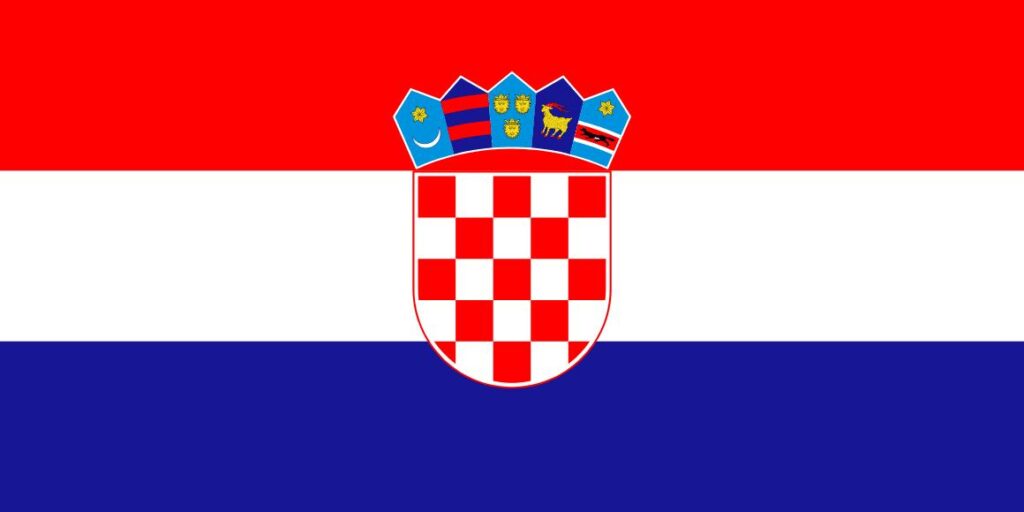
The three horizontal stripes — red, white, and blue — are the traditional Pan-Slavic colors, symbolizing Croatia’s Slavic heritage and unity with other Slavic nations.
The central red-and-white checkerboard shield is called the šahovnica, one of Croatia’s oldest national symbols dating back centuries.
Above the shield are five smaller shields representing Croatia’s historic regions:
Croatia proper
Dubrovnik
Dalmatia
Istria
Slavonia
The modern version of the flag was officially adopted in 1990, shortly before Croatia declared independence from Yugoslavia.

My first impressions of Croatia. Everything is spotlessly clean and feels like any other western European country.

My first impressions of Croatia. Everything is spotlessly clean and feels like any other western European country.
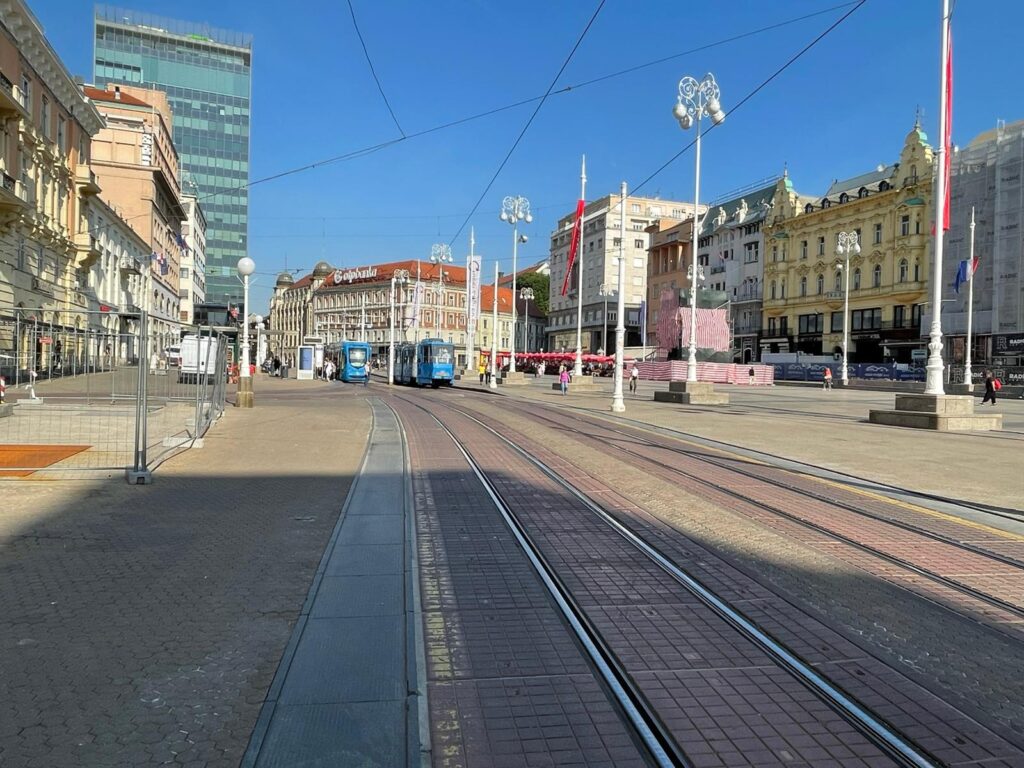
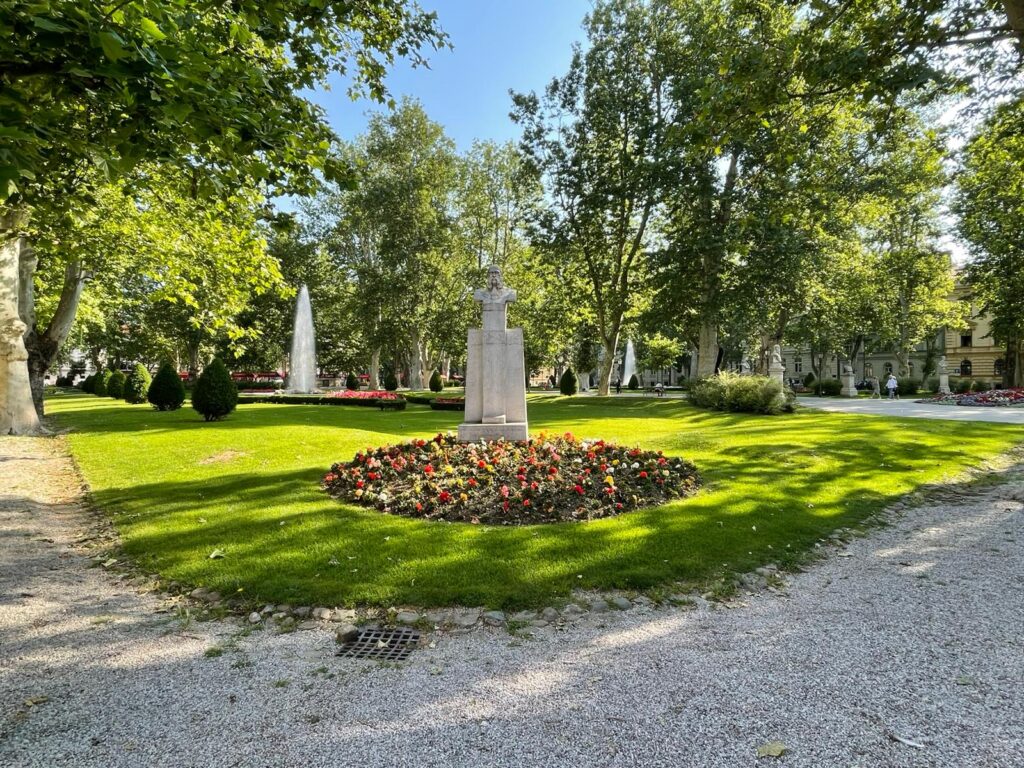
Zagreb is widely considered one of the safer capital cities in Europe for walking at night, especially in the central districts. Croatia consistently ranks well on international safety indexes, and violent crime in Zagreb is relatively low compared with many large European cities.
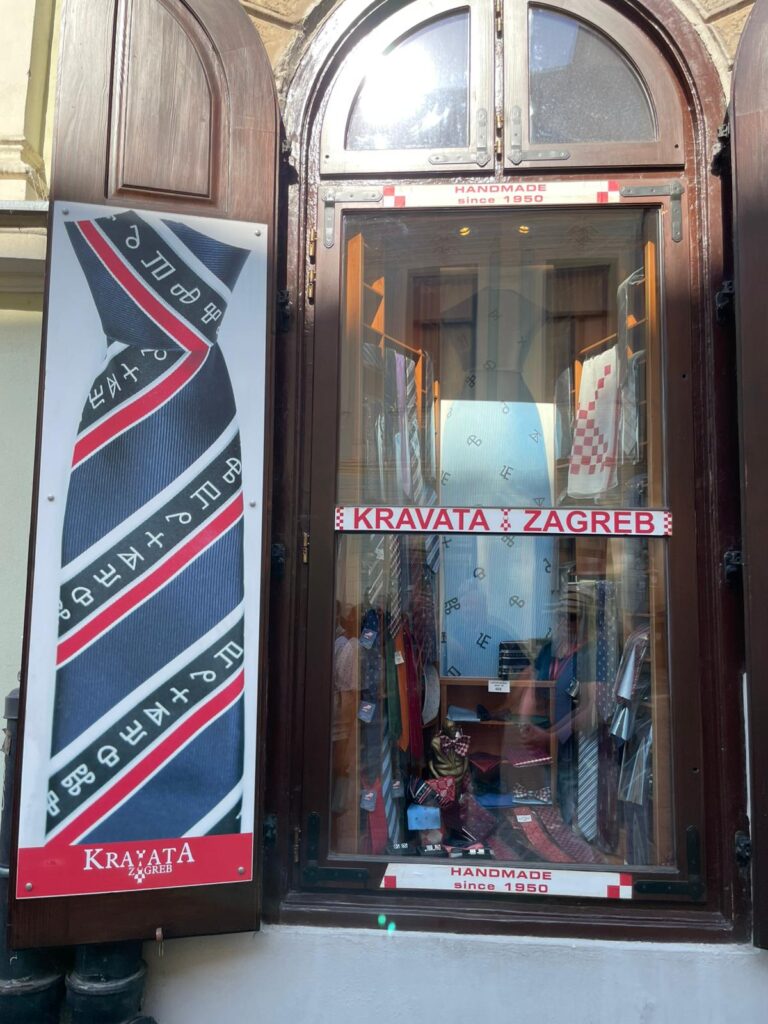
The modern necktie is strongly associated with Croatia, and the word “cravat” comes from the French term for Croats (“Croates”). The Croatian word is “kravata.”
The origin story goes back to the 17th century during the Thirty Years’ War. Croatian soldiers serving in France wore distinctive knotted neck scarves as part of their uniform or traditional dress. The style caught the attention of the French court, especially during the reign of Louis XIV, and it became fashionable in Paris as the “cravate.”
Over time, the cravat evolved into the modern necktie worn today around the world.
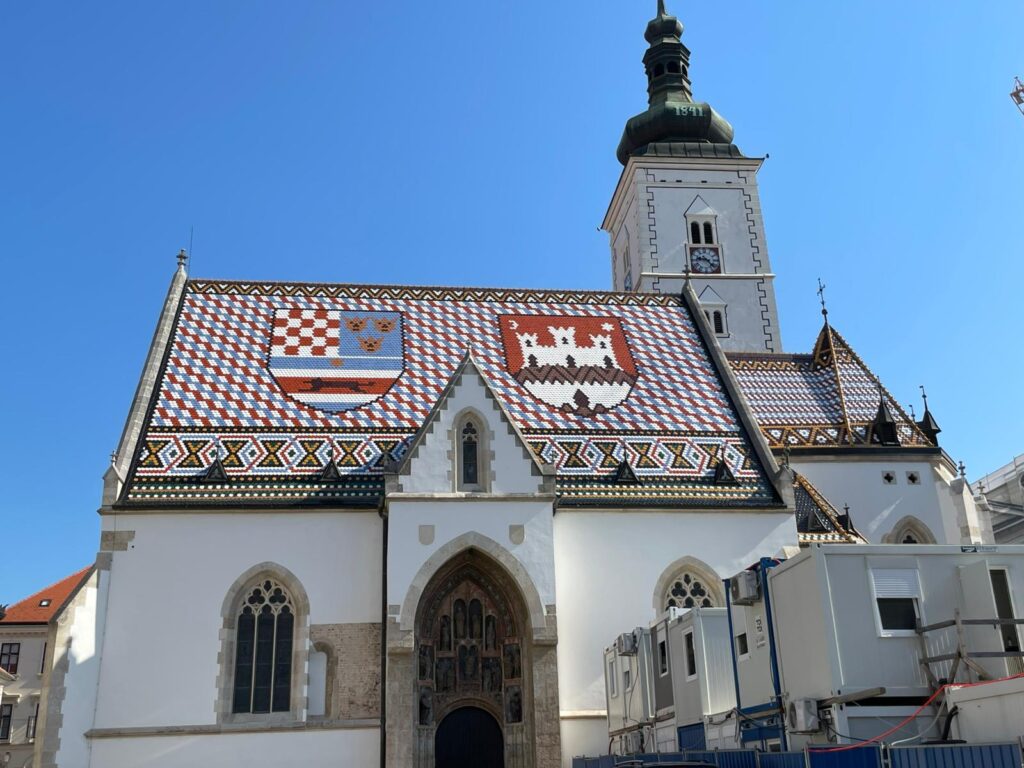
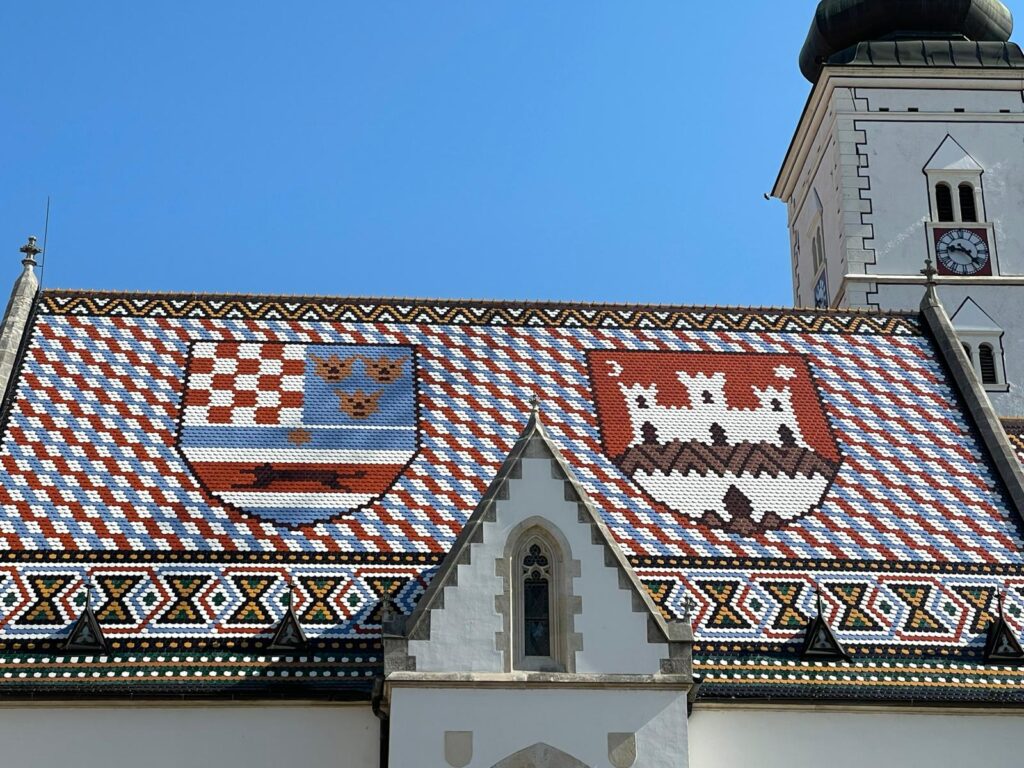
Kallina House in Zagreb — one of the city’s most famous Art Nouveau (Secessionist) buildings.
The building is often remembered because of its extraordinary ceramic-tile façade and decorative roof details.
It was commissioned by Josip Kallina, who owned a ceramic tile factory, and the entire exterior became a kind of advertisement for his products. The façade is covered with colorful glazed ceramic tiles featuring floral and geometric motifs.

Zagreb